Learning Beyond the Classroom
The world is evolving faster than ever. Artificial intelligence, biotechnology, robotics, and healthcare innovations are transforming industries and creating careers that didn’t exist just a decade ago. To thrive in this rapidly changing landscape, students need more than textbooks and exams—they need opportunities to explore, experiment, and create.
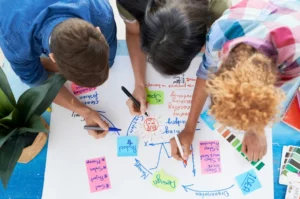
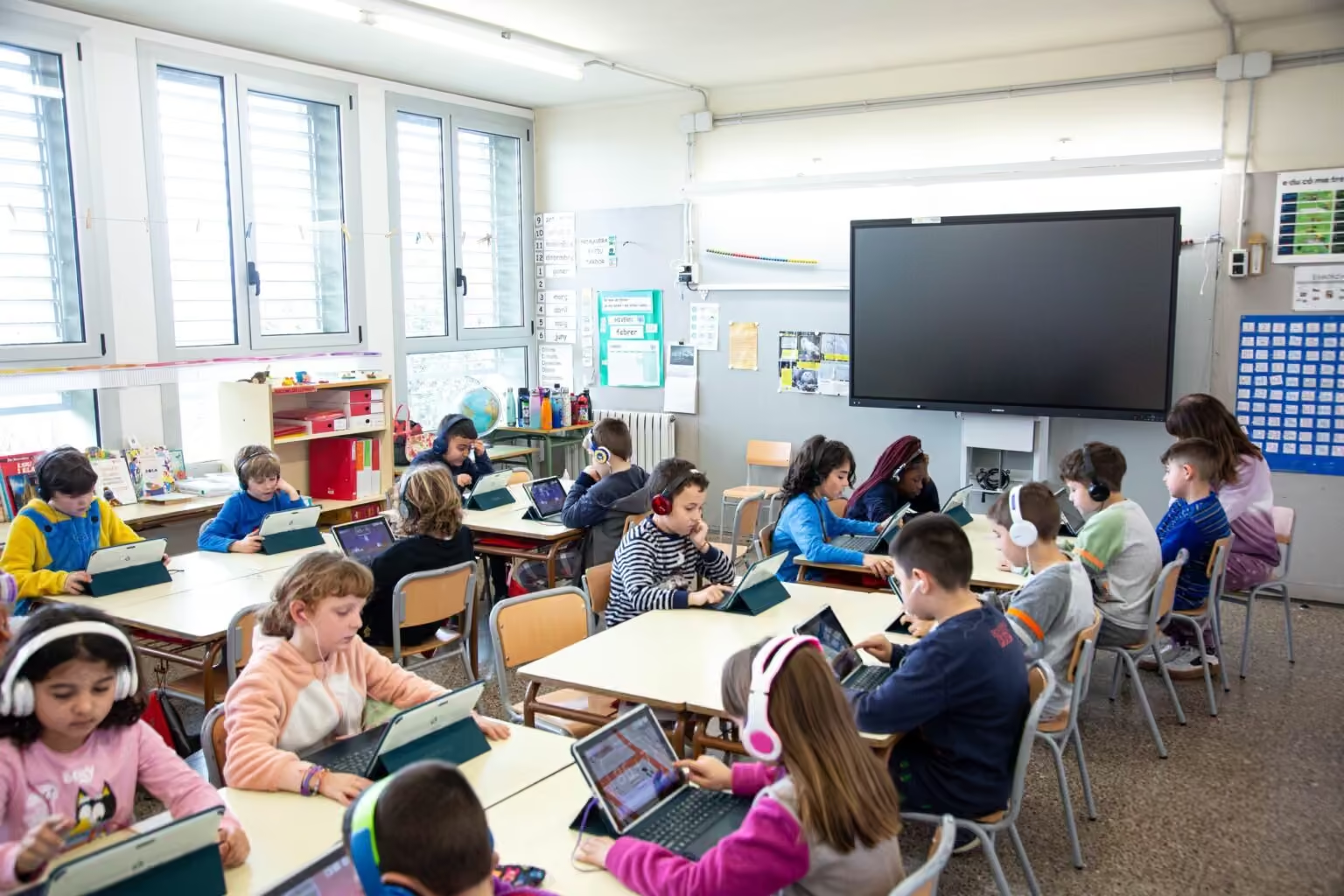
Hands-on STEM education bridges the gap between theory and real-world application. Instead of simply memorizing concepts, students actively solve problems, build projects, conduct experiments, and develop critical thinking skills that prepare them for future success.
At Curious, we believe that learning should inspire curiosity, encourage innovation, and empower students to become confident problem-solvers.
What Is Hands-On STEM Learning?
STEM stands for Science, Technology, Engineering, and Mathematics, but modern STEM education extends far beyond these four subjects. It combines creativity, collaboration, communication, and analytical thinking to help students understand how different disciplines work together.
Hands-on STEM learning allows students to:
- Build and test real projects
- Conduct laboratory experiments
- Learn coding through practical applications
- Explore robotics and automation
- Solve engineering challenges
- Investigate medical and scientific discoveries
Instead of asking, “What is the answer?” students begin asking, “How can I solve this problem?”
That mindset is what creates future innovators.
Building Skills That Last a Lifetime
Technology will continue to change, but certain skills will always remain valuable.
Through project-based STEM learning, students develop:
- Critical thinking
- Creativity
- Communication
- Collaboration
- Leadership
- Research skills
- Adaptability
- Digital literacy
These aren’t just academic skills—they’re life skills that prepare students for university, careers, and entrepreneurship.
Connecting Learning to Real Careers
One of the biggest advantages of STEM education is helping students discover future career opportunities early.
Students gain exposure to fields such as:
- Artificial Intelligence
- Computer Science
- Biomedical Sciences
- Biotechnology
- Engineering
- Robotics
- Data Science
- Healthcare Innovation
Rather than waiting until college to explore these industries, students can begin building practical experience during their school years.
Learning Through Real Projects
The best learning happens by doing.
Students who complete real-world projects gain confidence because they see their ideas become reality.
Examples include:
- Designing engineering prototypes
- Developing simple AI applications
- Building robotic systems
- Conducting biomedical investigations
- Creating scientific research presentations
- Solving environmental challenges
Every project teaches students how to think independently while working as part of a team.
Preparing Students for Tomorrow
Future careers will require curiosity, adaptability, and continuous learning.
Hands-on STEM education doesn’t simply prepare students for exams—it prepares them for a future filled with innovation.
Whether a student dreams of becoming a doctor, engineer, scientist, software developer, or entrepreneur, the foundation begins with meaningful learning experiences today.
At Curious, students don’t just study STEM—they experience it.