Learning by Doing Makes Knowledge Stick
Many students can memorize information for an exam.
Far fewer truly understand how to apply that knowledge.
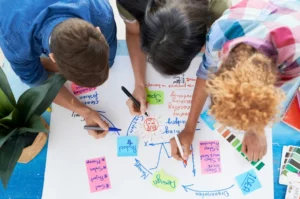
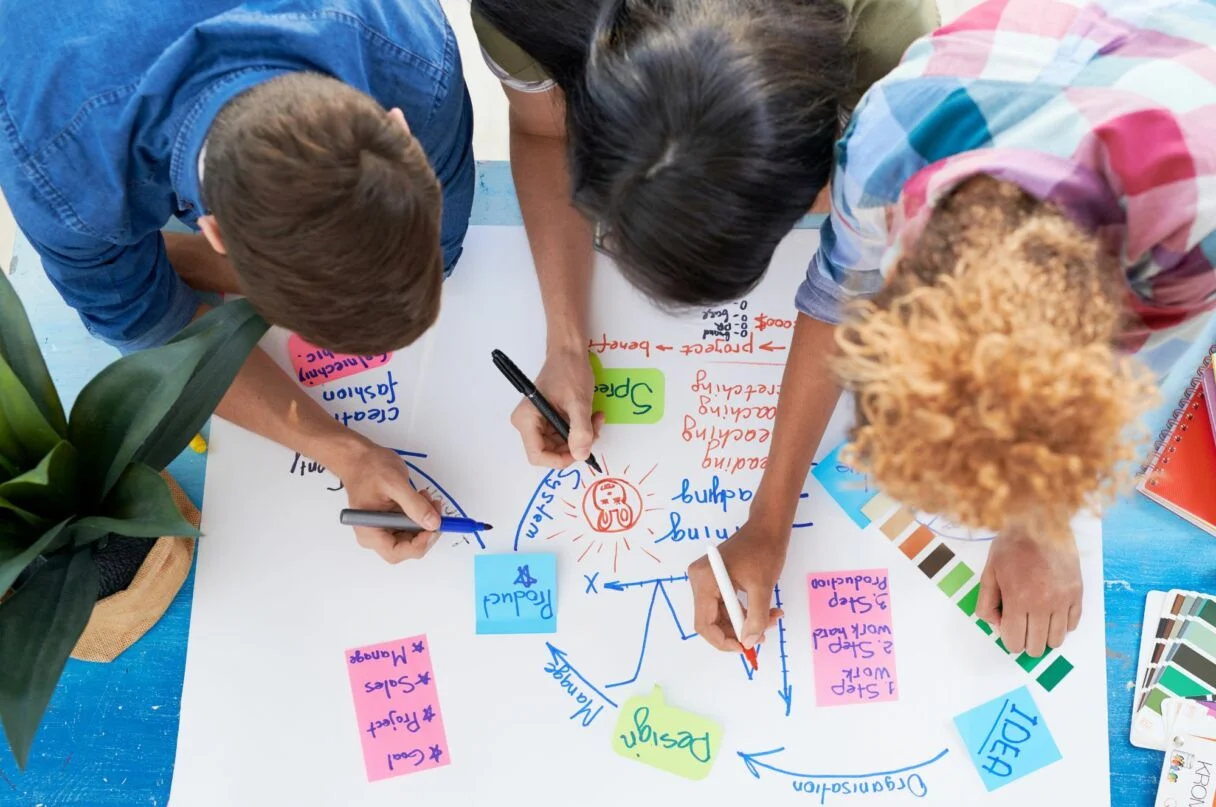
Project-based learning changes this by allowing students to solve authentic challenges using the concepts they learn.
Instead of passively receiving information, students become active participants in their education.
From Ideas to Innovation
Project-based learning encourages students to:
- Research real-world problems
- Develop creative solutions
- Test and improve their ideas
- Present their findings
- Reflect on their learning
This process mirrors how scientists, engineers, doctors, and technology professionals work every day.
Developing Confidence Through Experience
Every completed project builds confidence.
Students learn that mistakes are part of the learning process and that persistence often leads to success.
They also improve their ability to:
- Communicate ideas clearly
- Work effectively in teams
- Manage time and responsibilities
- Think creatively under pressure
These experiences prepare students for both academic success and future careers.
Encouraging Curiosity and Exploration
Great innovation begins with a simple question:
“What if?”
Project-based learning encourages students to explore those questions through experimentation and research.
Whether designing a robot, building an engineering model, analyzing biological samples, or creating an AI application, students learn how curiosity drives discovery.
Preparing Students for a Changing World
Employers increasingly value graduates who can think critically, collaborate effectively, and solve complex problems.
Project-based STEM education helps students develop these essential skills while building technical knowledge across science, technology, engineering, and mathematics.
The result is a learning experience that prepares students not just for the next exam, but for the opportunities and challenges of the future.